
/ Girolibero / to know travel by bike
How to reduce your footprint while traveling
Every trip leaves a mark. It shows up in how we choose to get around, in the habits we bring with us, and in the little things we do: turning on the hotel air conditioning, using GPS to find our way, or booking a vacation online. Traveling means having an impact on the places we visit, and tourism today contributes significantly to global greenhouse gas emissions — especially because of air travel.
The good news is that traveling more sustainably doesn’t require dramatic sacrifices. A little extra mindfulness is often all it takes to reduce your ecological footprint while traveling. From what you pack to how you get there, all the way to your daily habits on the road — here are some practical ideas for traveling lighter. For you and for the planet.
Skip the quick-turnaround flights
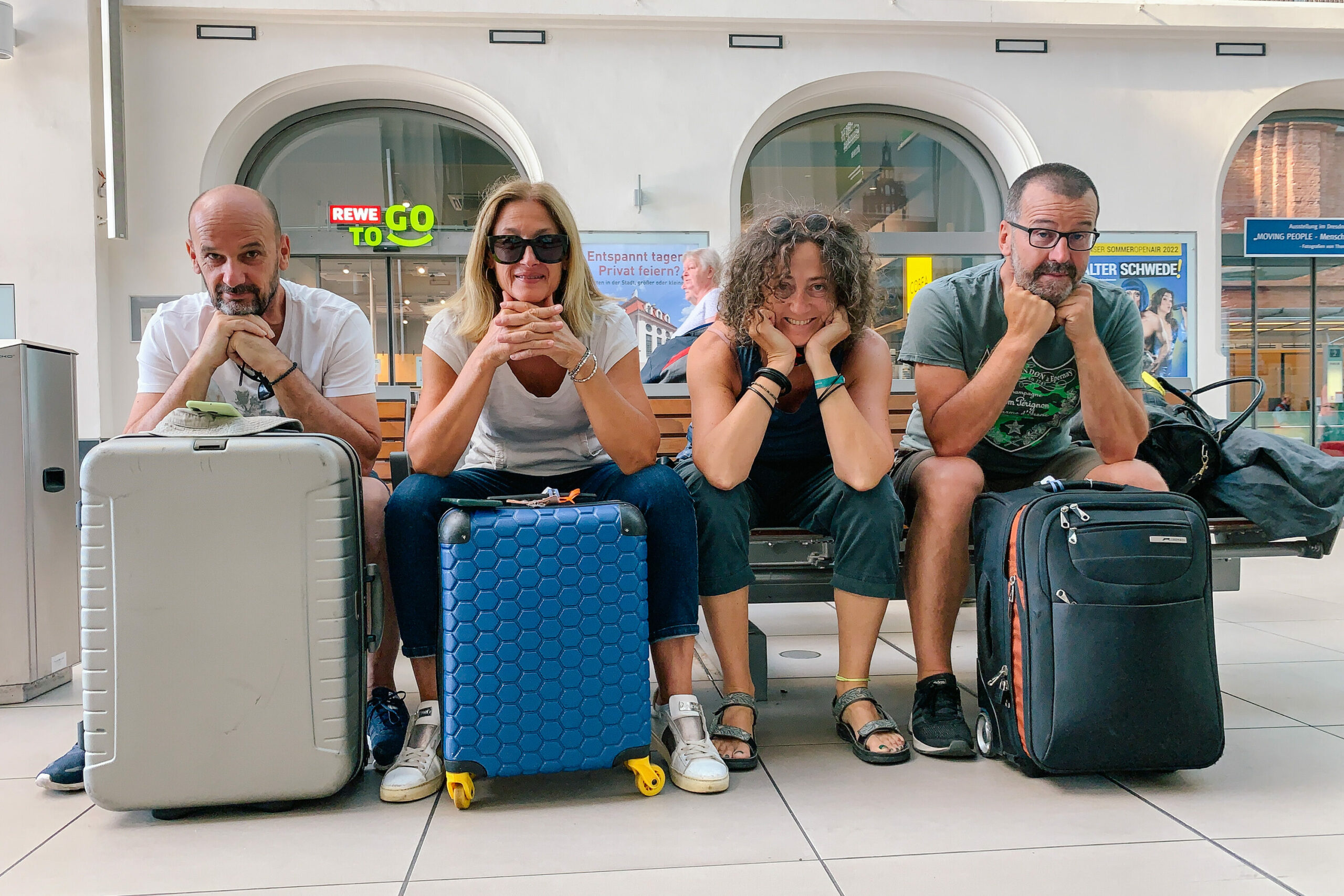
Short-haul flights generate a very high carbon footprint relative to the actual days spent on vacation. That’s why weekend “quick-turnaround” trips by plane have a particularly heavy environmental impact. When you do choose to fly, it’s better to make it count — staying at least a week in the same destination helps offset the impact of the journey and gives you the chance to experience the place at a slower, more meaningful pace.
For nearby destinations, take the train
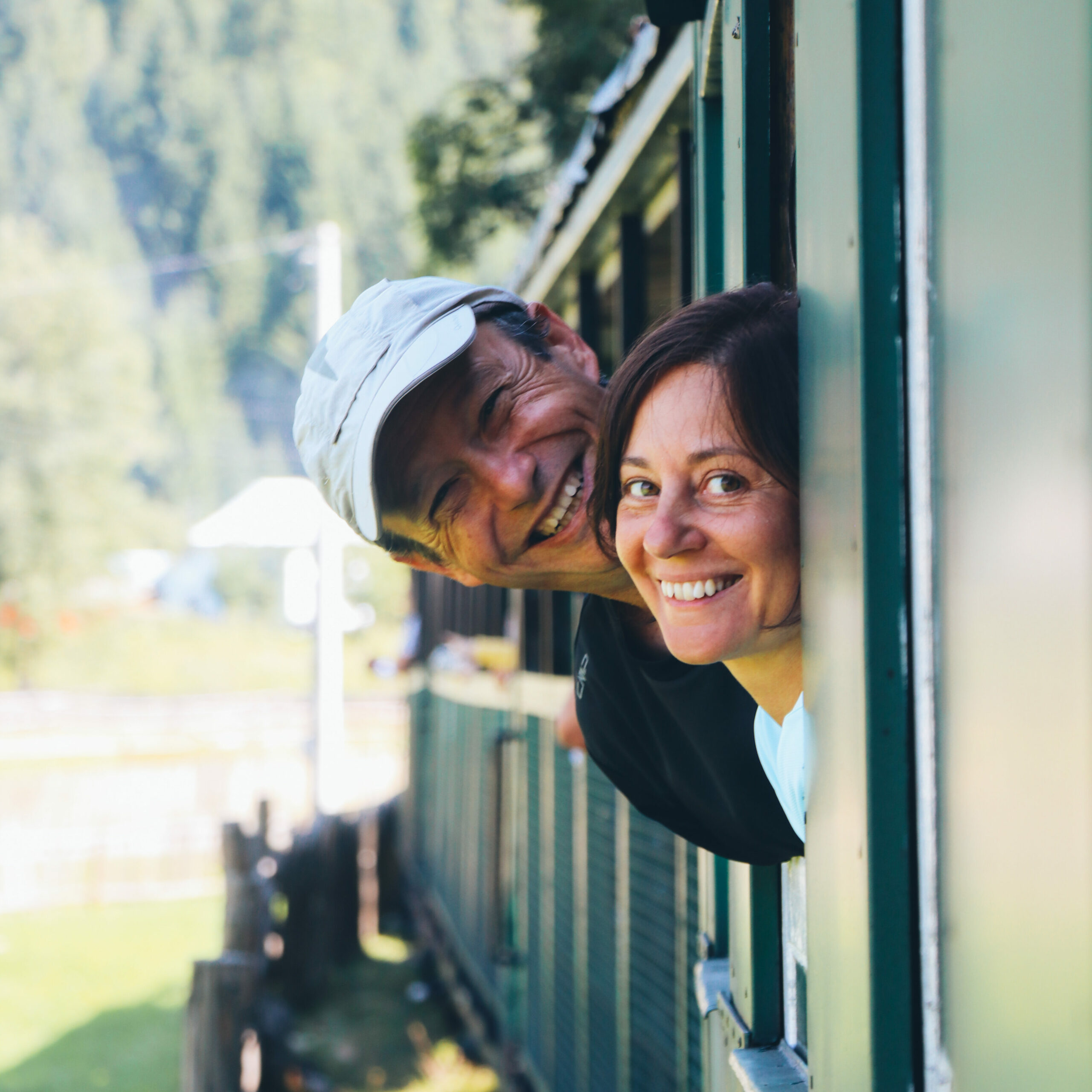
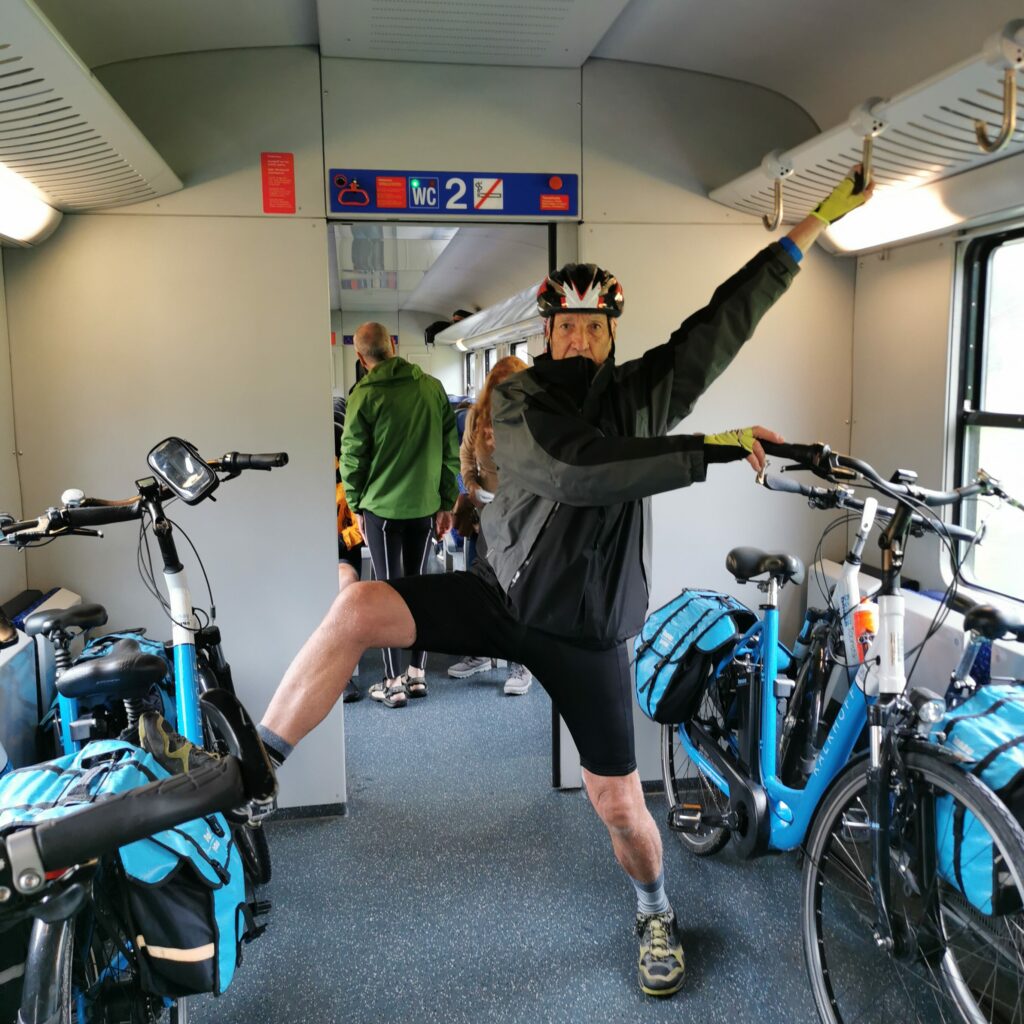
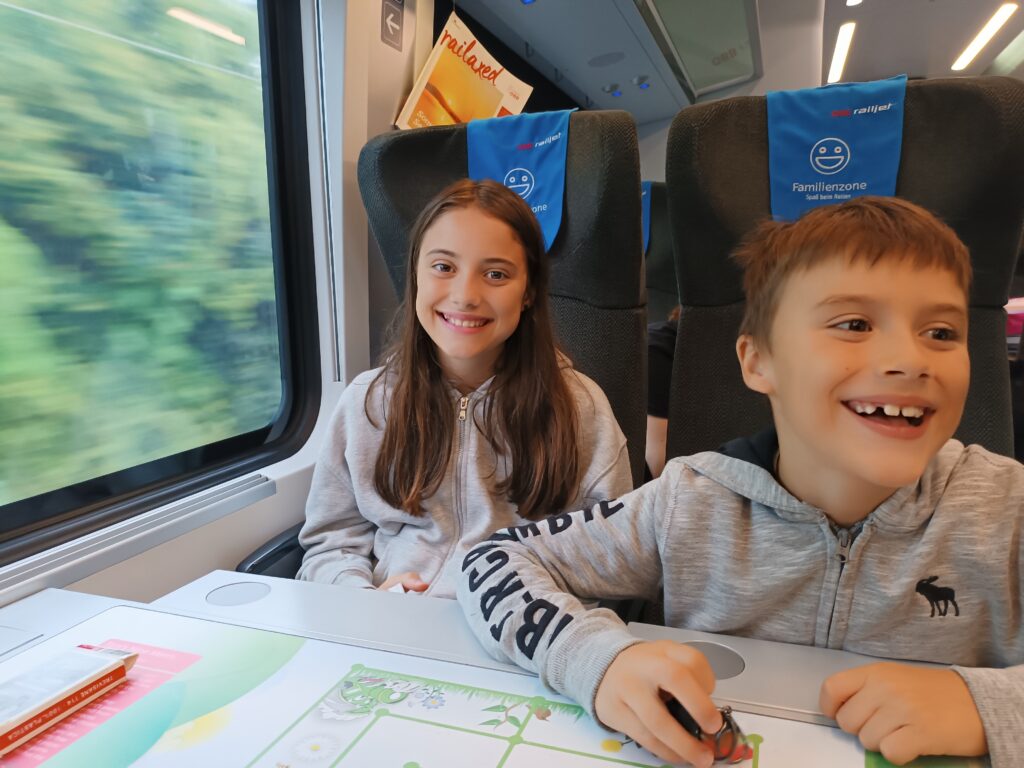
Whenever possible, skipping the plane is a smart move: flying is one of the most carbon-intensive ways to travel. For destinations reachable in just a few hours, the train is often the most sustainable — and most enjoyable — option. CO₂ emissions are significantly lower than by car, and even more so compared to flying.
But the appeal of train travel goes beyond the environment. Say goodbye to traffic, parking, tolls, and long lines — and hello to time you can actually enjoy. Read, work, relax, or just watch the landscape roll by.
To easily plan rail travel across Europe, you can compare routes and schedules on Trainline, a handy platform for booking trains across multiple countries
Travel by bike
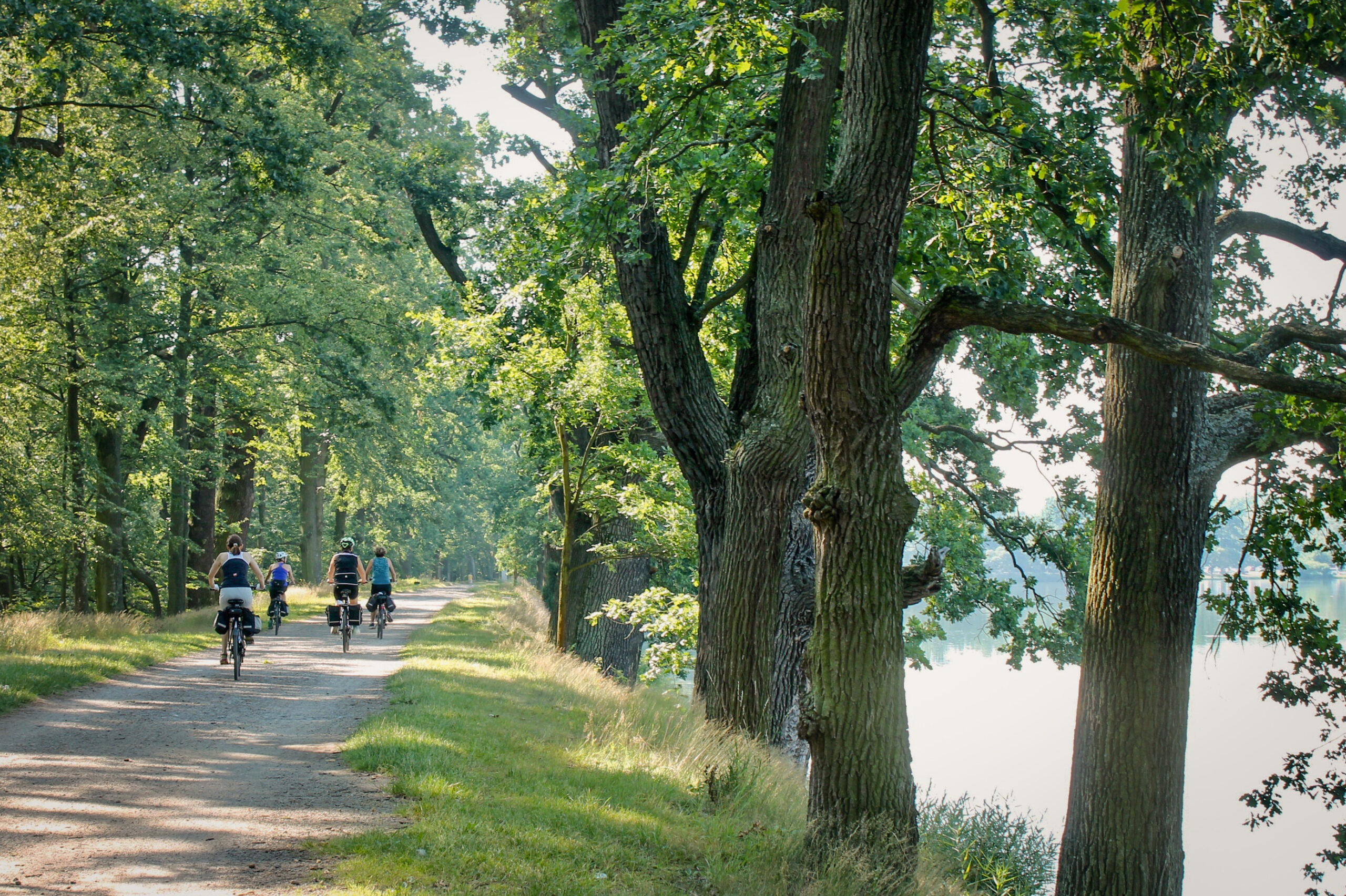
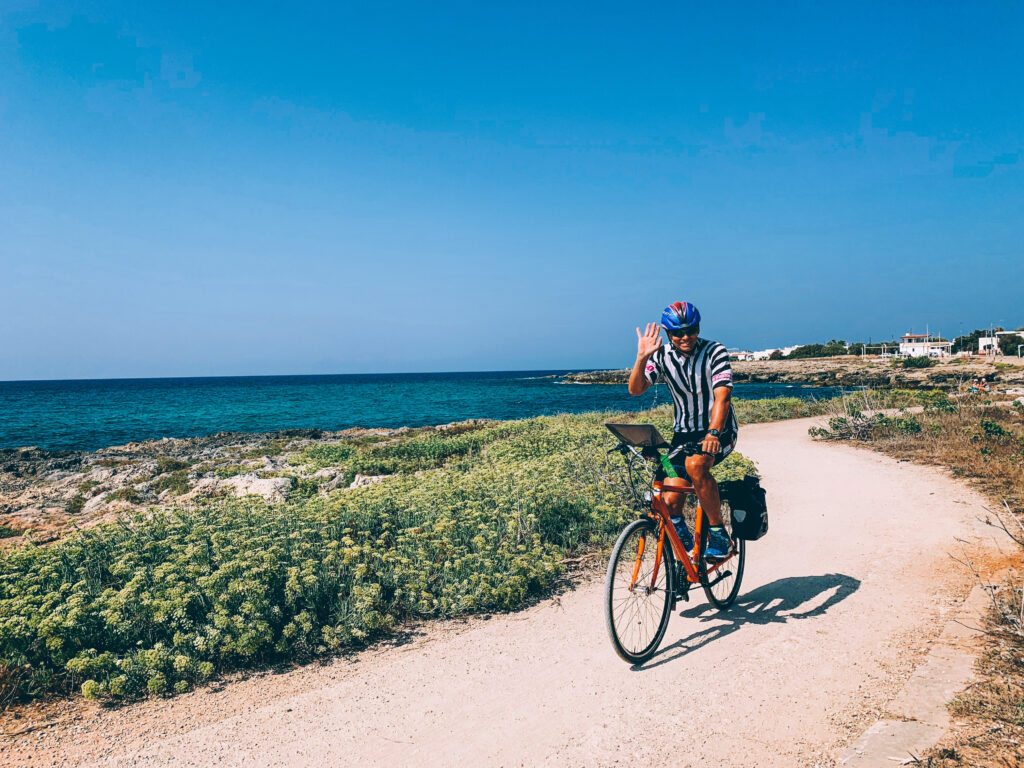
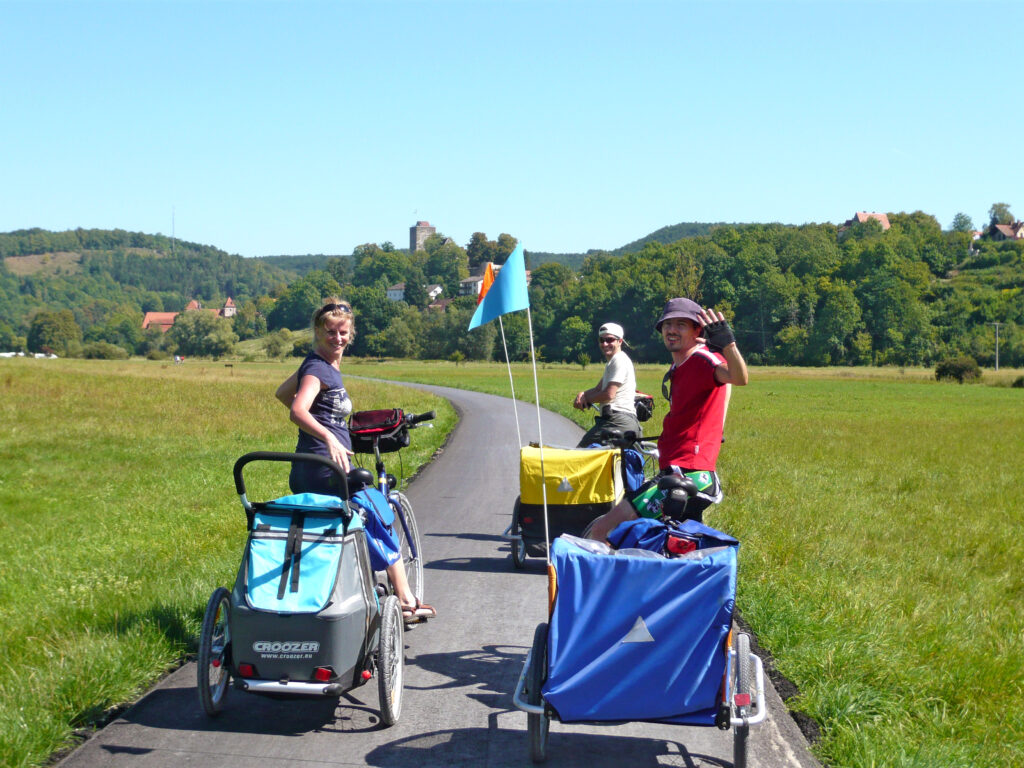
Moving under your own power is good for the planet — and good for you. A cycling vacation lets you experience the world at a different pace: slower, more authentic, more connected. It’s a style of travel that suits curious travelers and, more often than not, families with kids too.
Planning a bike trip might sound like a lot of work, but it doesn’t have to be. Traveling with a tour operator means having logistical support every step of the way, so you can focus on the ride and leave the organizing to someone else.
Pack light
When it comes to sustainable travel, luggage is usually the last thing people think about. But the weight of your bags actually affects emissions: according to Finnair, cutting five kilograms from your luggage can reduce your flight’s carbon footprint by up to 5%.
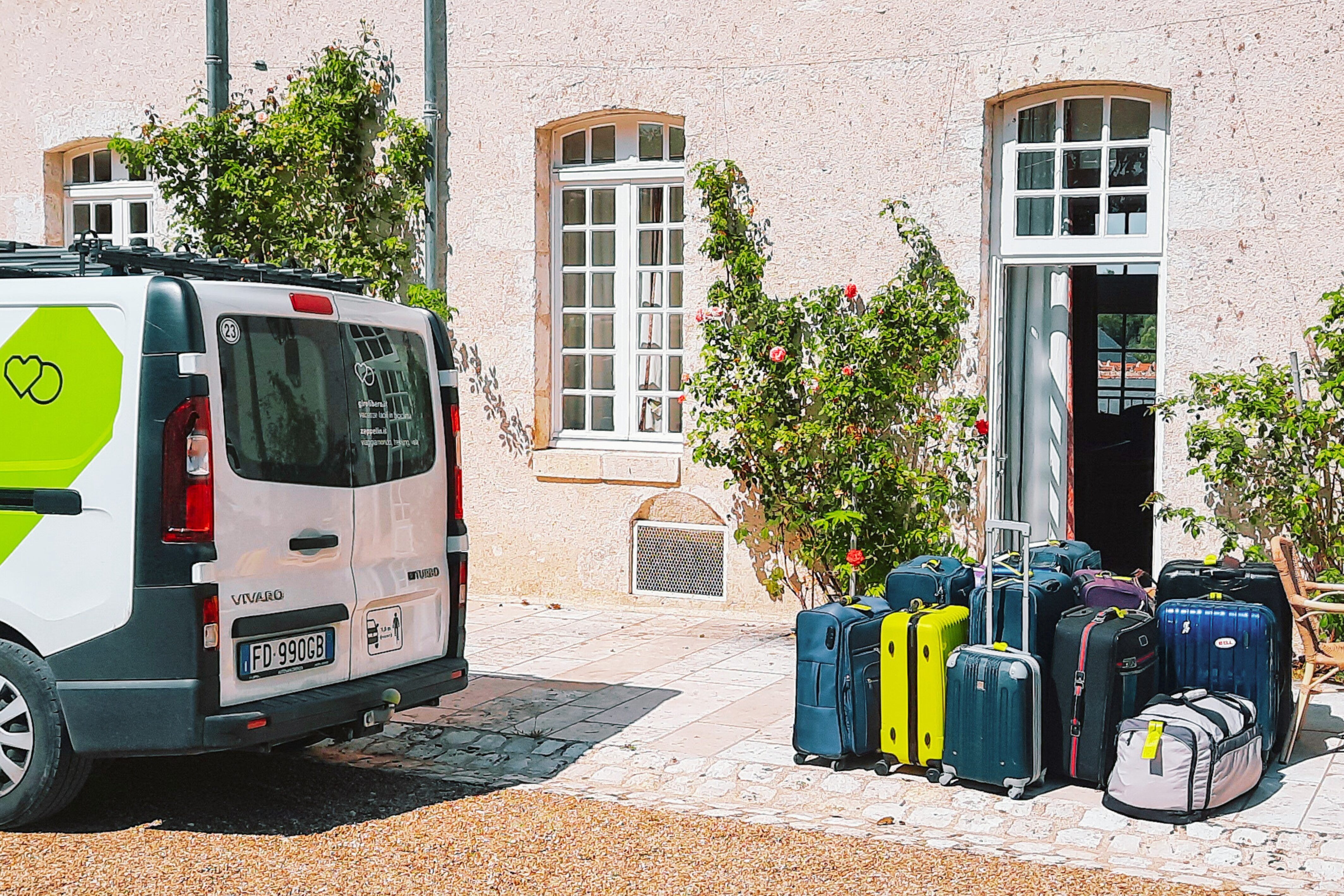
At Girolibero, we’ve always said it: traveling light makes everything better. On our cycling and walking trips, baggage transfer is always included — we take care of moving your bags from one stop to the next, so you can enjoy the journey without carrying unnecessary weight.

Eat local
Trying the local food is one of the most enjoyable ways to get to know a place — and it’s often a more sustainable choice too. Local products require less transportation, less packaging, and less energy to store. A few examples? In the south of France, between Provence and the Camargue, you’ll find the Fougasse d’Aigues-Mortes: a soft, sweet, incredibly fragrant bread flavored with orange blossom water. Food tells the story of the land: from the delicious stops along a cycling tour through Langhe and Monferrato to the flavors you discover on a bike and boat trip between Mantua and Venice — from fresh lagoon fish and sea bass to tortelli and slow-braised meats from the Mantuan tradition.
Food tells the story of the land: from the delicious stops along a cycling tour through Langhe and Monferrato to the flavors you discover on a bike and boat trip between Mantua and Venice — from fresh lagoon fish and sea bass to tortelli and slow-braised meats from the Mantuan tradition.
Bring a reusable water bottle
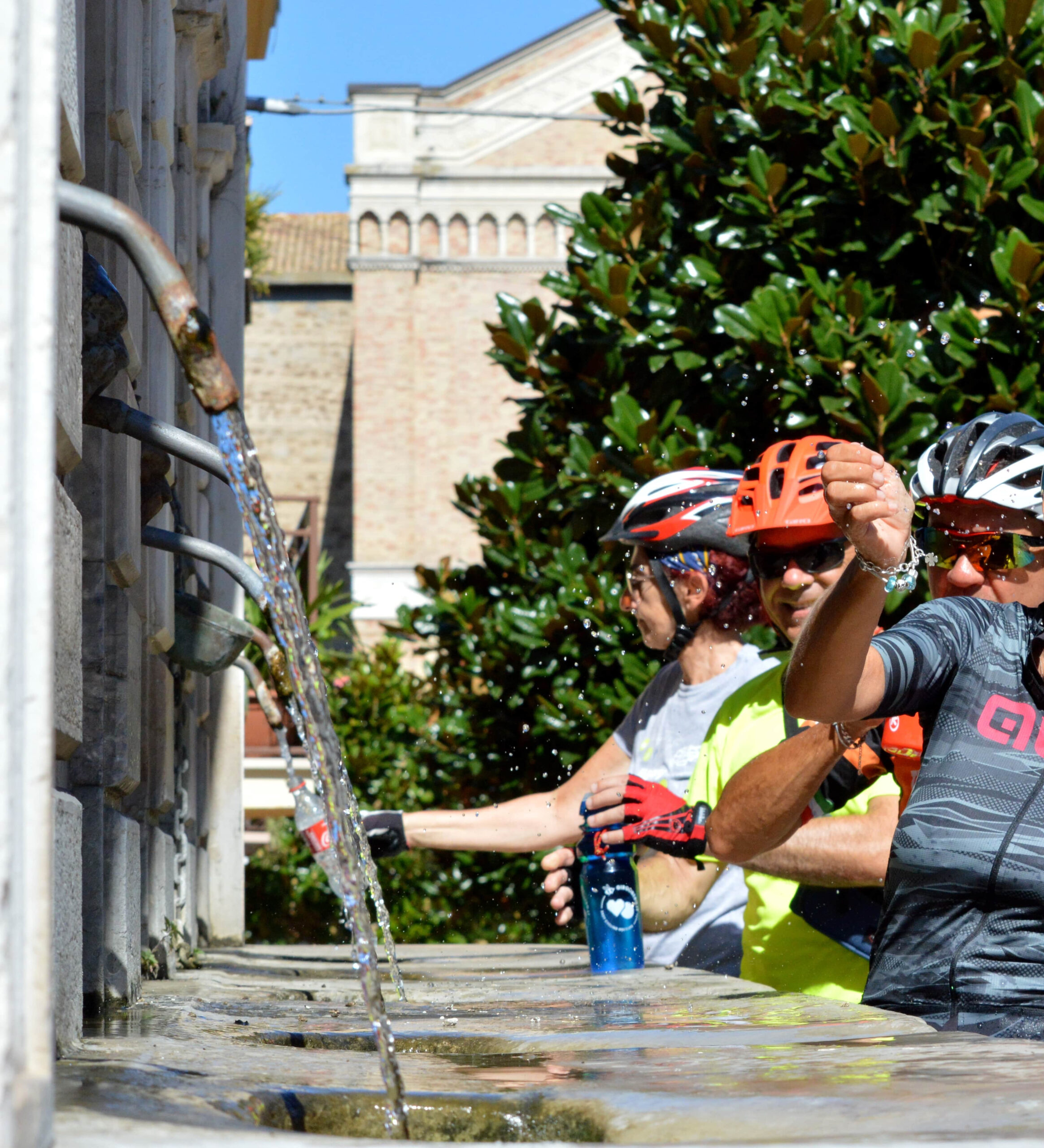
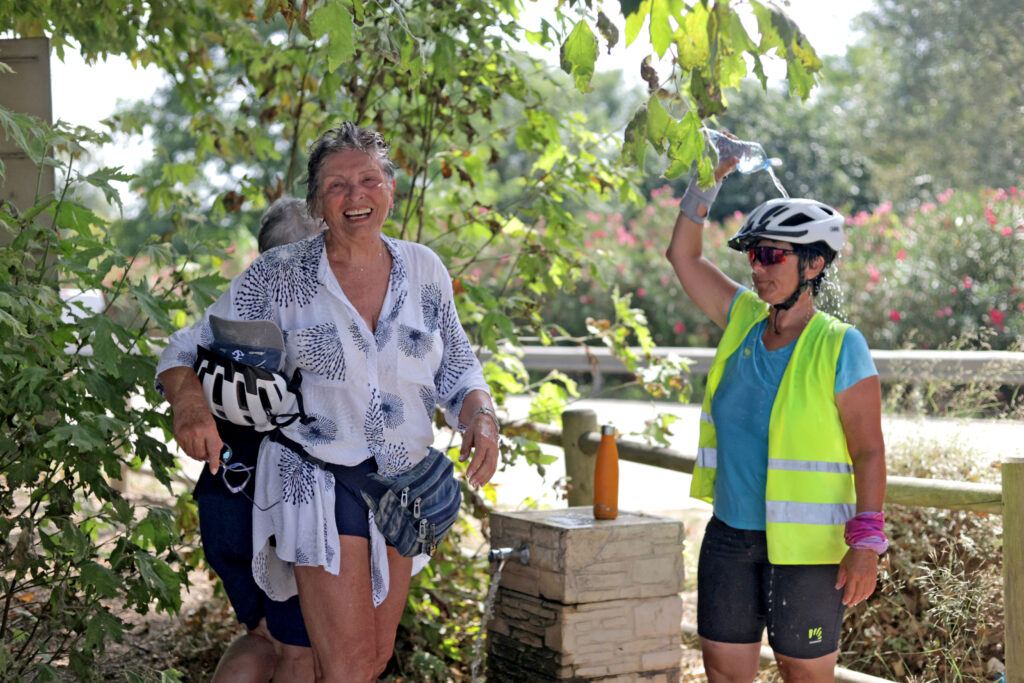
One small habit, one big difference: carry a reusable water bottle and skip the single-use plastic ones along the way. It’s lightweight, practical, and helps cut down on waste.
Before you leave, it’s worth downloading an app to locate public drinking fountains — Mapy has a handy feature for exactly that.
You don’t need a new wardrobe
Before a trip, there’s always the temptation to buy something new — especially if you’re gearing up for an active adventure like a bike tour and think you don’t have the right gear. In reality, you don’t need to dress like a professional cyclist to have a great time: a few comfortable, functional pieces you already own will do just fine.
And if something’s missing, before you buy new, consider borrowing from a sporty friend or checking out a secondhand shop — online or in person. Reusing what already exists is almost always the more sustainable choice, and usually the more affordable one too.
Offset and measure your carbon footprint
Your carbon footprint measures the greenhouse gases produced by your activities — from an online purchase to a flight, all the way to your everyday use of digital services. Today it’s increasingly important not just to offset these emissions, but to calculate and understand them, so you can make more informed choices and reduce them at the source whenever possible.
Offsetting your emissions means supporting projects that help reduce or absorb CO₂ elsewhere in the world. It’s worth keeping in mind, though, that offsetting doesn’t cancel out the emissions you’ve produced — it’s more of a way to partially balance your environmental impact.
Some projects worth supporting
Reducing your impact starts with everyday choices, but there are also projects that let you actively support environmental and climate initiatives. Among the best-known are Atmosfair and myclimate — organizations focused on voluntary CO₂ offsetting that fund sustainable projects around the world.
And then there are smaller, more local initiatives — sometimes close to the very places we travel through. Like the reforestation and environmental conservation projects in the Venice Lagoon, near Lio Piccolo: a quiet, beautiful corner of the lagoon that we pass through on some of our bike and boat trips. Supporting projects like these is another way to leave a lighter footprint.