/ Ilaria Cubalchini / to discover bike and boat travel by bike
Croatia’s most beautiful islands to explore by bike
Croatia’s coastline is a sweeping succession of bays, dramatic cliffs, and more than a thousand islands embroidering the blue Adriatic. An archipelago perfect for a vacation of pure relaxation — but also one to explore slowly, by bike, as we love to do. A surprisingly diverse country in terms of climate, culture, and dialects, Croatia tells a layered story on its islands: crystalline waters, historic villages perched above the sea, and centuries of encounters between different civilizations. But with so many islands to choose from, where do you start? From the Kvarner Gulf, greener and quieter, with sheltered bays and small seaside villages, to Dalmatia, the most iconic face of Croatia — here are our favorite islands to discover with an active holiday, maybe with an island-hopping bike and barge tour! If you love island hopping by bike, you might also want to explore the most beautiful islands of Greece — a similarly stunning destination for a bike and barge holiday.
Krk, the most accessible island
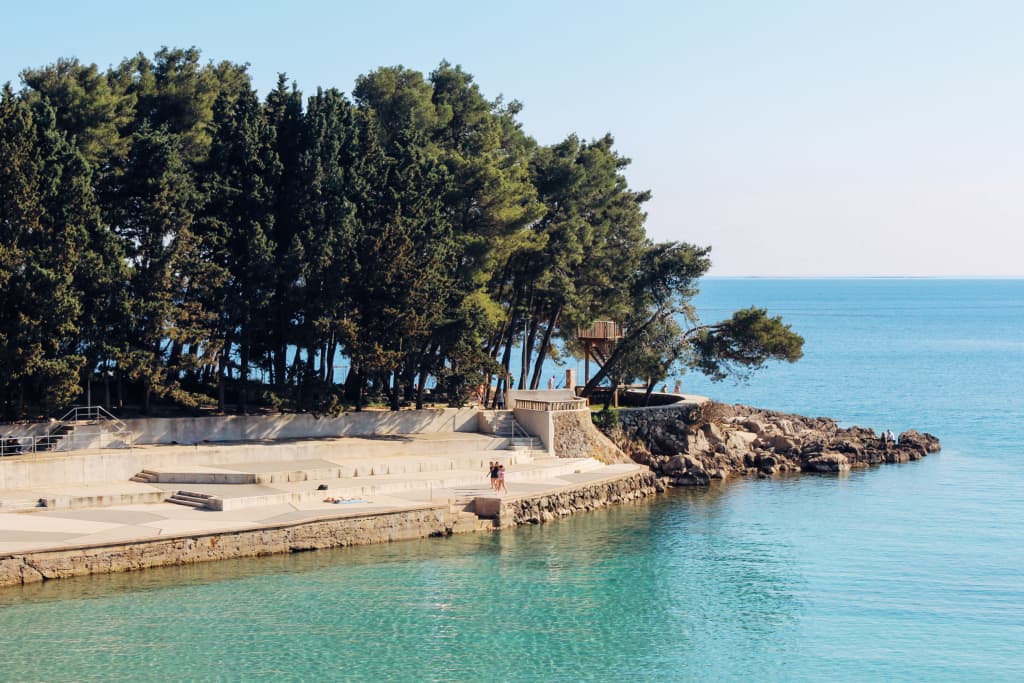
Krk is Croatia’s second-largest island and one of its most welcoming entry points — a free bridge connects it directly to the mainland, so getting there couldn’t be easier.
What makes Krk special is how much the landscape keeps changing as you ride. One moment you’re pedaling through Mediterranean scrubland and terraced vineyards; the next, you’re coasting past olive groves and arriving at a clifftop village like Vrbnik, where stone houses seem to grow straight out of the rock above the sea. Quiet bays with strikingly clear water, rolling green hills, and a well-developed network of back roads and trails make Krk an ideal destination for cyclists of all levels. The kind of place where there’s no rush — and no reason to have one.
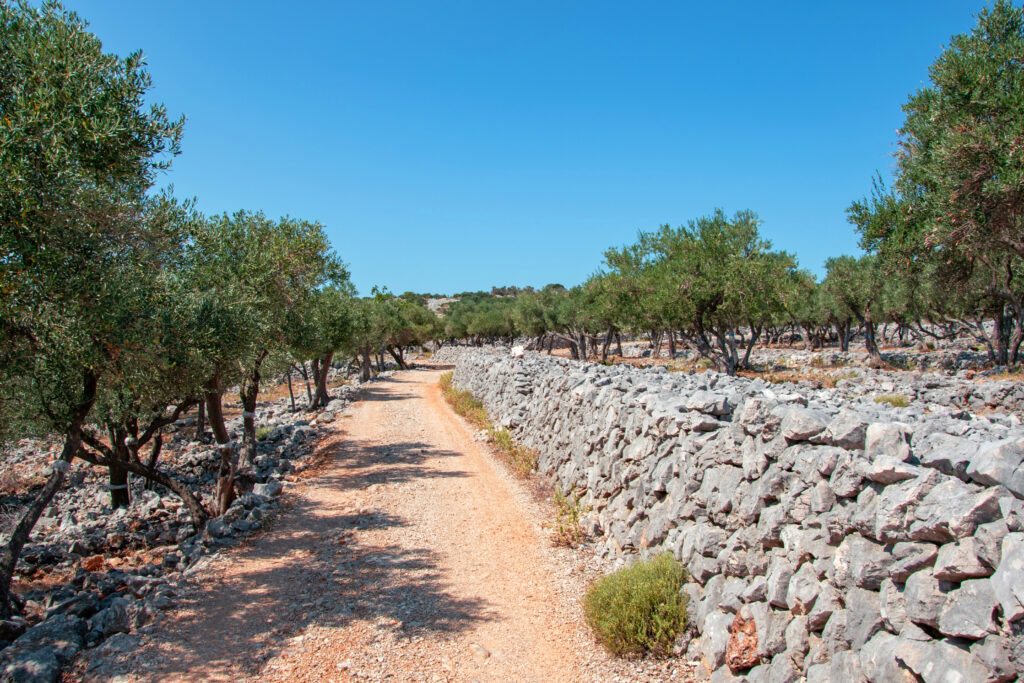
Cres, the wild island with a slow pace
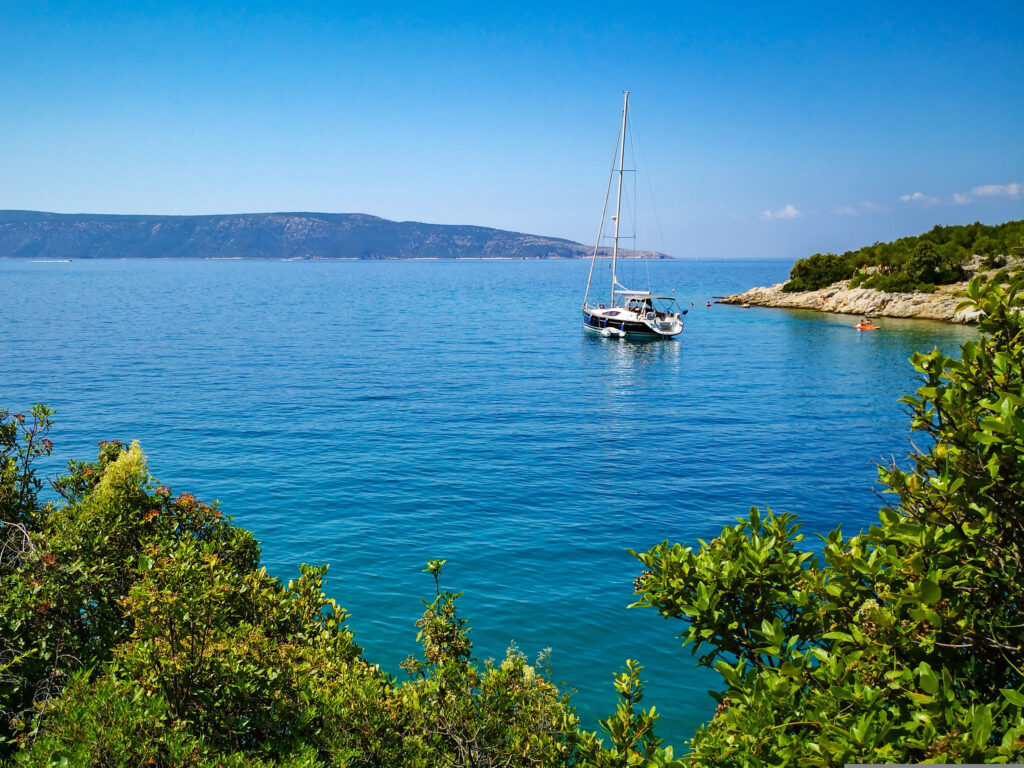
The island of Cres is a place of high plateaus, dry-stone walls, ancient olive trees, and rugged coastline. Sparsely populated, with villages of just a few stone houses gathered around a square, it has a wild, unhurried character that’s impossible to miss. Look up, and you might spot an exceptional resident: the griffon vulture, a large protected bird of prey that nests here permanently. Highlights include Mount Gorice, the highest peak in the northern part of the island, around 650 meters (2,130 ft), with sweeping views of the Adriatic, and Martinšćica, one of the most picturesque bays, with pebble beaches and crystal-clear water. It’s also worth knowing that the island is home to one of Croatia’s largest freshwater reserves, Lake Vrana. “No stress in Cres,” locals say — and it’s easy to believe them.

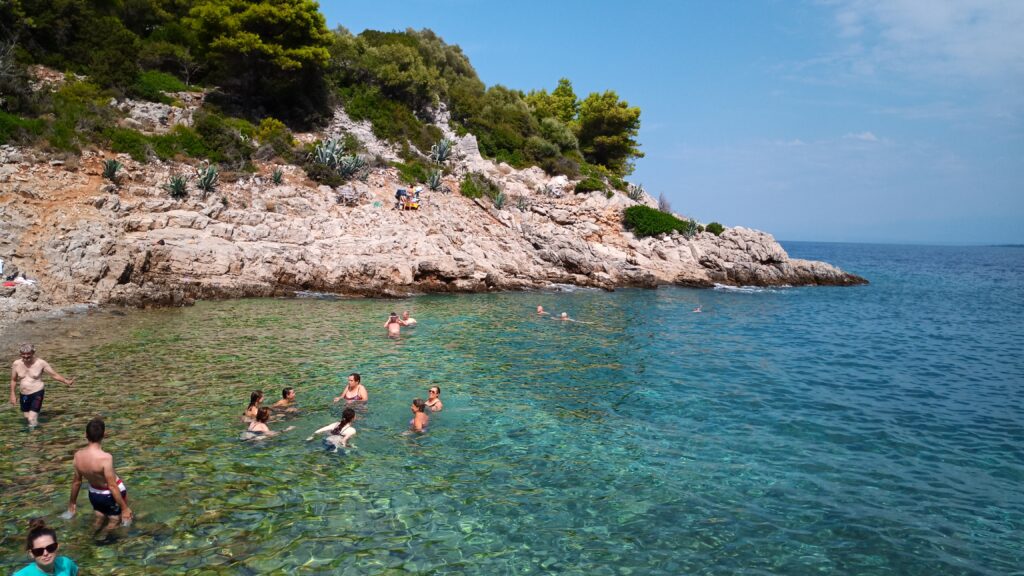
Lošinj, between well-being and enchanting scents
And here we are on Lošinj, the quintessential green island. Pine forests, Mediterranean scrub, and a consistently mild climate have earned it the title of “island of vitality and well-being” — and it’s easy to see why. The island is also home to ancient fishing villages and two main centers: Mali Lošinj and Veli Lošinj. By bike, every turn brings a new discovery: from the panoramic heights of Mount Baston to the Apoxyómenos Museum, which houses a remarkable ancient Greek bronze statue recovered from the sea.
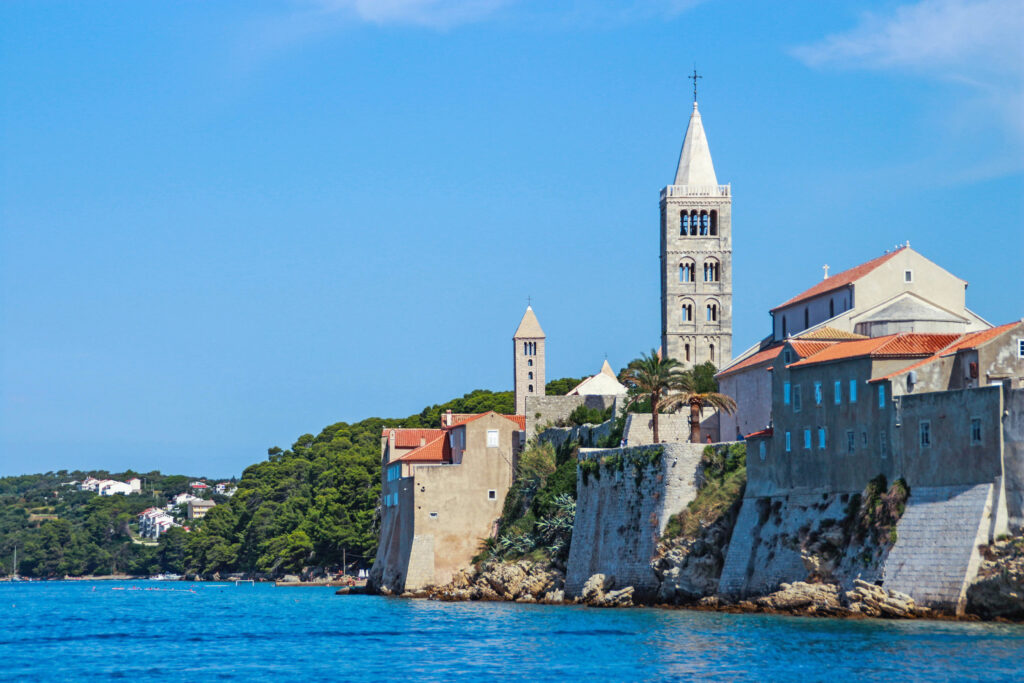
Rab, the sunniest and sandiest island
The island of Rab is known for its sandy beaches — uncommon in Croatia — and its stunning old town: a walled gem perched above the sea, instantly recognizable by four bell towers peeking above the rooftops. Getting lost among its narrow streets, craft shops, and local flavors is almost inevitable, from the traditional Rab cake to fragrant lavender cookies. But Rab is also a dream destination for active travelers: nearly 100 miles of bike paths and as many hiking trails, including the climb to the top of Mount Kamenjak, where the views stretch across much of the island and the surrounding archipelago. Kayaking, diving, climbing, and fishing round out the options nicely.
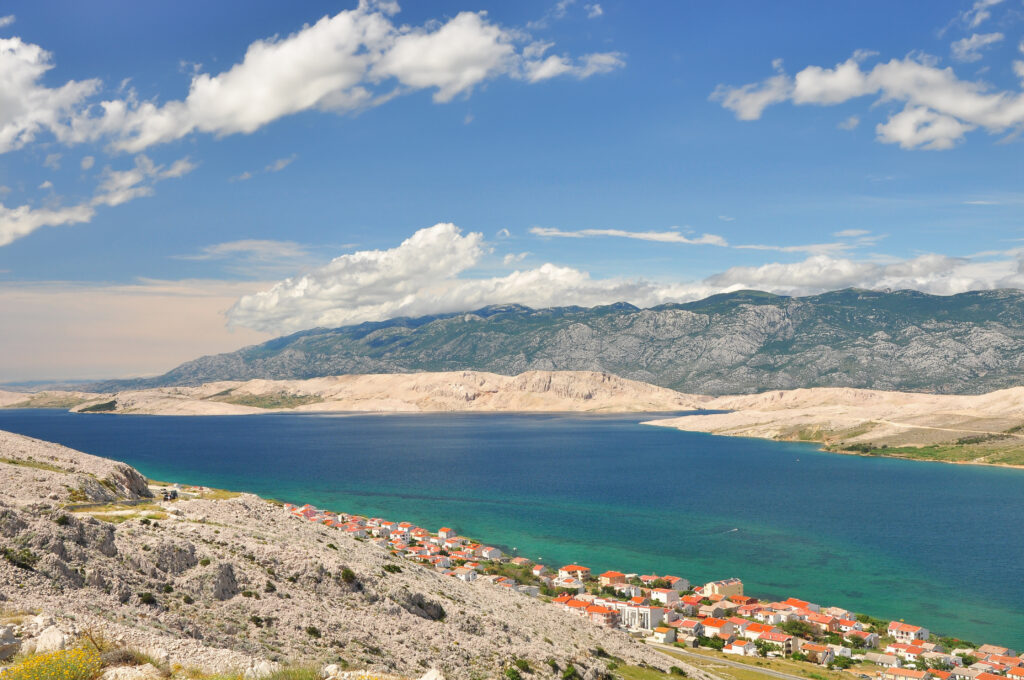
Pag, the island of moonscapes and fun
The island of Pag surprises with its stark contrasts. In some areas, the interior is shaped by olive groves, Mediterranean scrub, and valleys planted with vineyards, vegetable gardens, and orchards. The eastern coast, on the other hand, is high and severe: bare rock battered by the bora wind, almost completely devoid of vegetation, in a landscape that genuinely resembles the surface of the moon. Pag is also celebrated for its products: the intensely flavored Paški sir sheep’s cheese, fine olive oil, and a centuries-old tradition of handmade lace still crafted by the island’s women. But Pag has a completely different face too: nightlife. The resort town of Novalja, with its nearby beaches, is one of the Adriatic’s top party destinations, often compared to Ibiza in atmosphere. An island, in short, that manages to be many things at once.
Hvar, between bays and good food
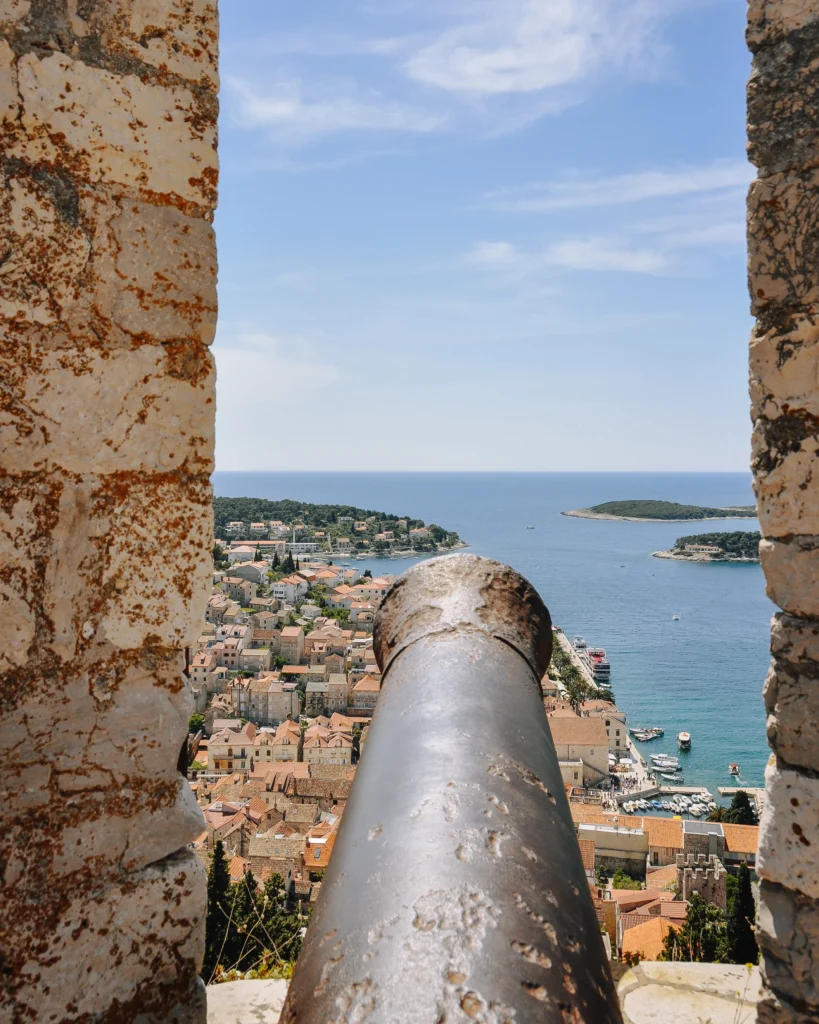
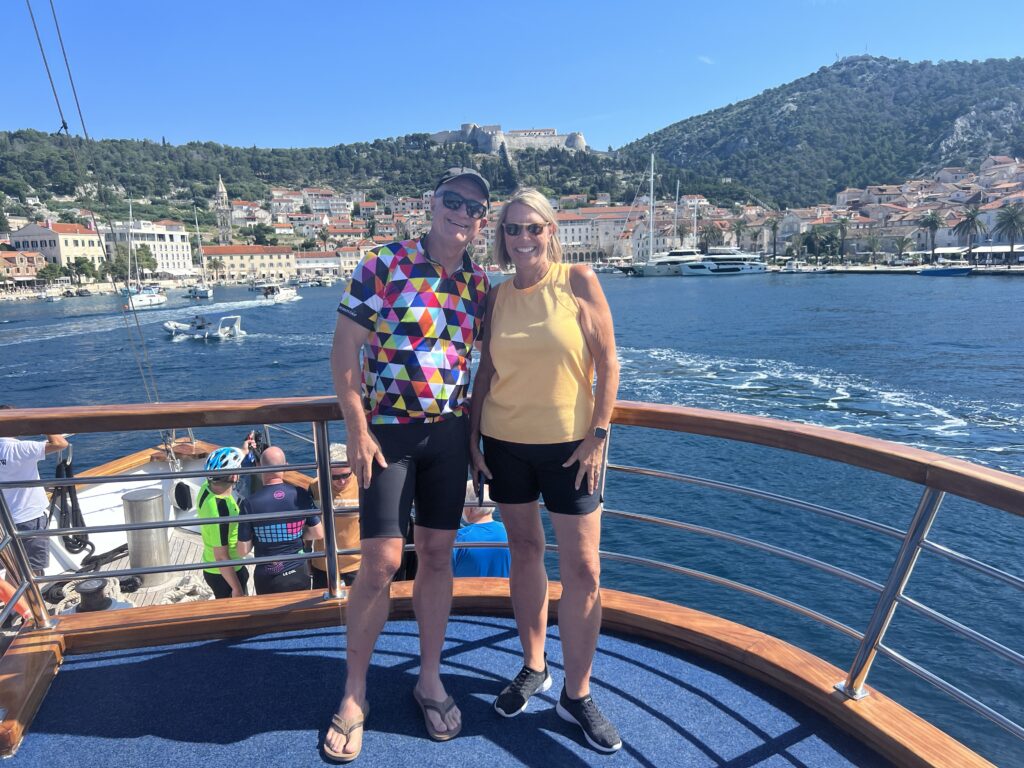
We now arrive in Dalmatia with Hvar, one of Croatia’s most celebrated islands, effortlessly combining history, stunning beaches, and a lively nightlife scene. The old town is a jewel of Mediterranean architecture: its grand Renaissance square, cathedral, and late-Gothic palaces speak of centuries of prosperity and cultural exchange. Worth the climb is the Spanish Fortress (Fortica), which crowns the city from above and offers spectacular views over the Pakleni Islands archipelago. Between coves, there’s no shortage of great food on Hvar: the culinary tradition is simple, seasonal, and deeply Mediterranean — light, fragrant dishes built around olive oil, aromatic island herbs, and excellent local wines. Specialties not to be missed include gregada, the island’s signature slow-cooked fish and potato dish; rožata, a delicate egg and milk dessert; and prošek, a traditional sweet dessert wine.
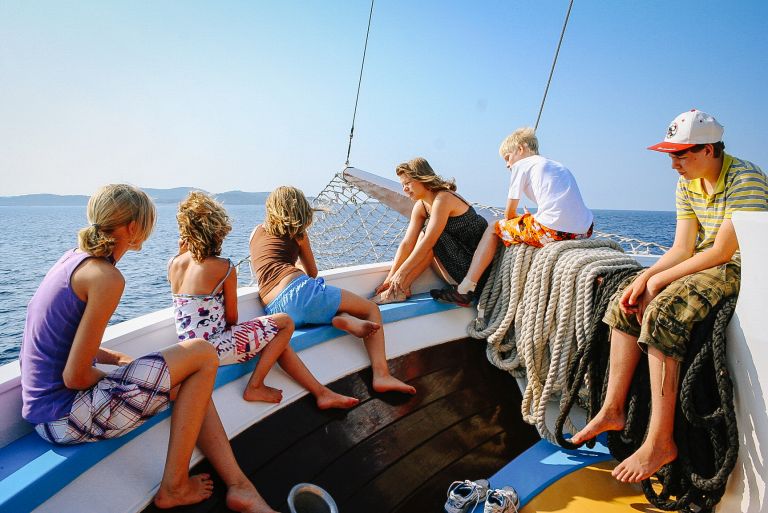
Hvar and other Dalmatian islands are ideal destinations for families as well, check out the tour: Dalmatian Islands for families
Brač and the famous Golden Horn
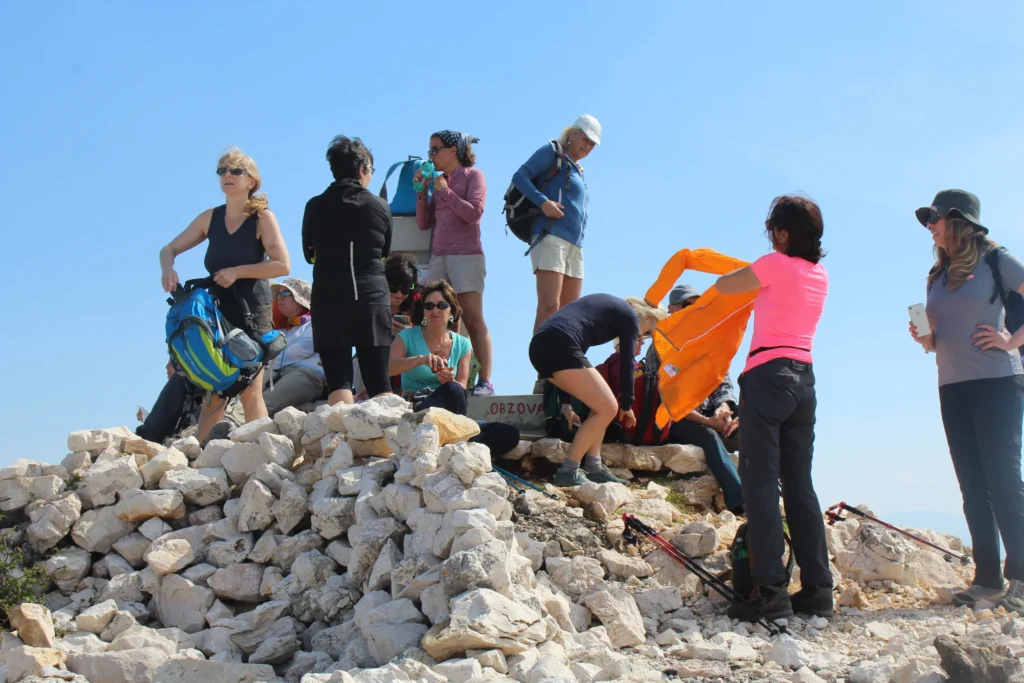
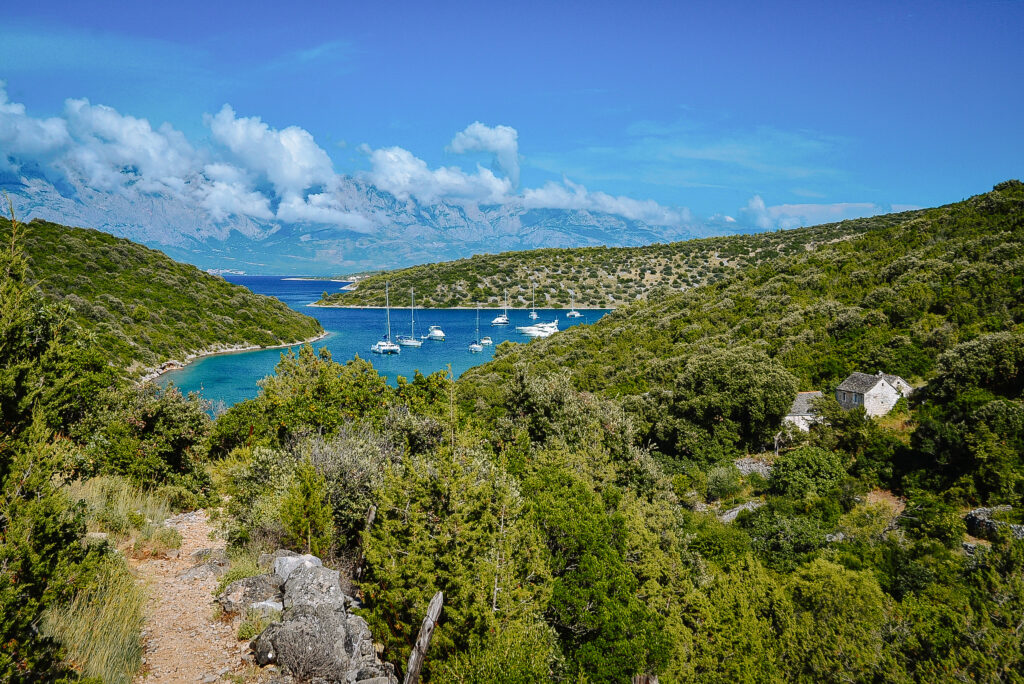
You may have already seen its most iconic spot in photos: Zlatni Rat, the Golden Horn. It’s a white pebble beach that stretches from a pine forest out into the open sea, forming a narrow tip that — viewed from above — truly resembles a horn, and shifts its shape and orientation with the winds and currents. Brač is a hilly, mountainous island with a more pronounced interior than most other Dalmatian islands. It is home to Vidova Gora, which at 778 meters (2,552 feet) is the highest point of any Croatian island — and the views of the Adriatic and surrounding islands from the summit are simply spectacular. With its sweeping vistas and constant changes in elevation between coast and interior, Brač is an ideal destination for scenic bike rides and outdoor exploration.
Hop on board and explore the Golden Horn with the Southern Dalmatia bike and barge tour!
Korčula, the “little Dubrovnik”
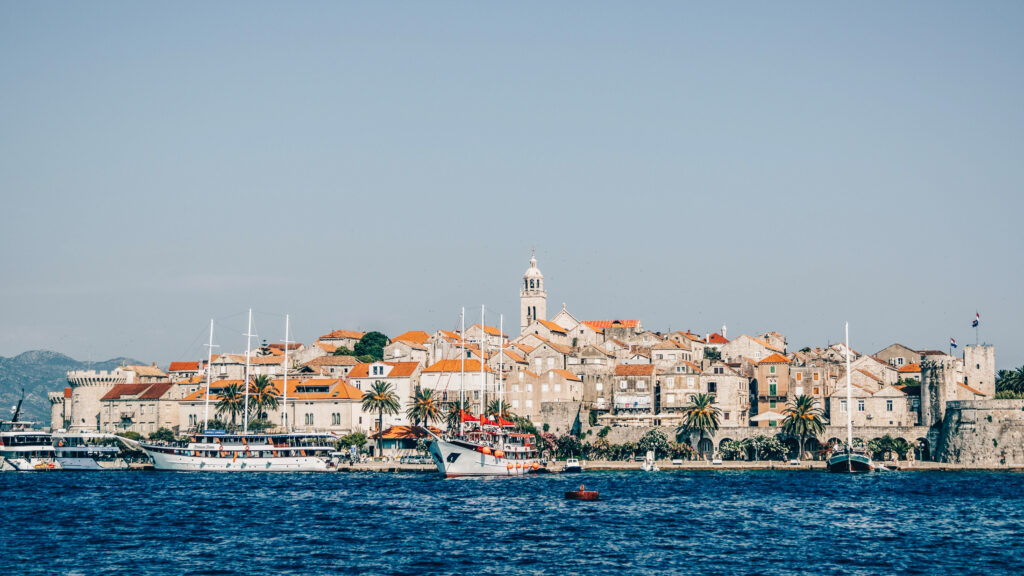
Korčula is an elegant, harmonious island where sea and hills coexist in perfect balance. Its coastline alternates between rocky and sandy beaches, while the interior is shaped by vineyards and olive groves that speak of a long agricultural tradition. The heart of the island is Korčula’s old town: a medieval walled city overlooking the sea, with stone alleyways and historic palaces that have earned it the nickname “Little Dubrovnik” — while keeping a more intimate and authentic feel. Korčula also holds a unique cultural tradition: the Moreška, an ancient armed dance of medieval origin, still performed today and considered one of the island’s defining symbols. Between rural landscapes, layered history, and an ever-present sea, this is a destination best discovered slowly, by bike.
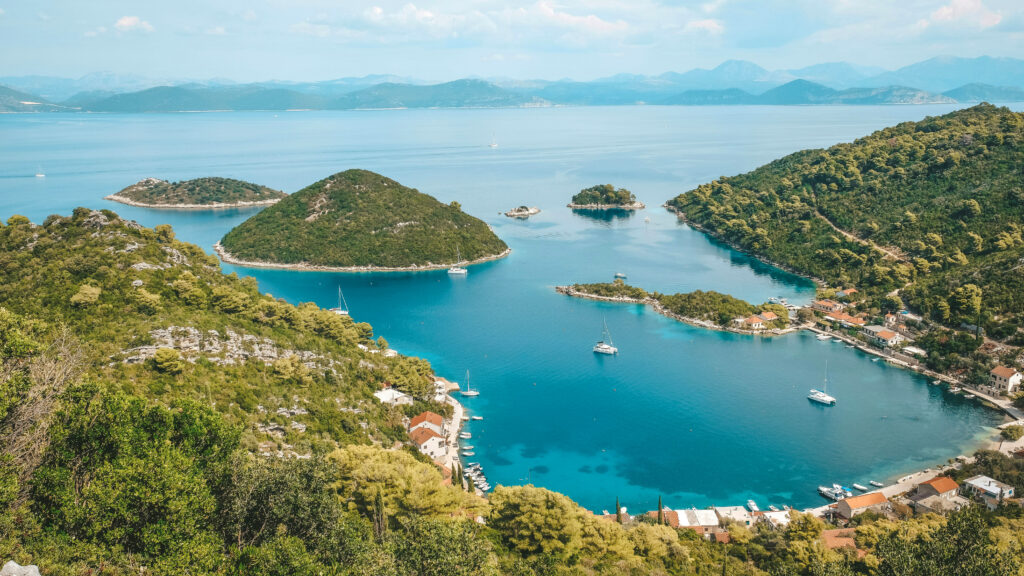
Mljet, a gentle expanse of forest
The name Mljet derives from the ancient Greek melitte nesos, meaning “island of honey” — and it’s no coincidence that the island is also known as the island of flowers. Located in southern Dalmatia, much of its territory falls within Mljet National Park and is almost entirely covered by Aleppo pine and holm oak forests. This dense vegetation, combined with small fishing villages, makes Mljet feel like an island out of time — ideal for those seeking silence, nature, and a slower pace. At the heart of the park lie two inland saltwater lakes connected to the sea, and a striking Benedictine monastery perched on a small islet, one of the island’s most iconic landmarks. Together with Hvar, Brač, and Korčula, Mljet fits naturally into a bike and boat itinerary between Trogir and Dubrovnik — a perfect way to discover the best of southern Dalmatia in one trip.
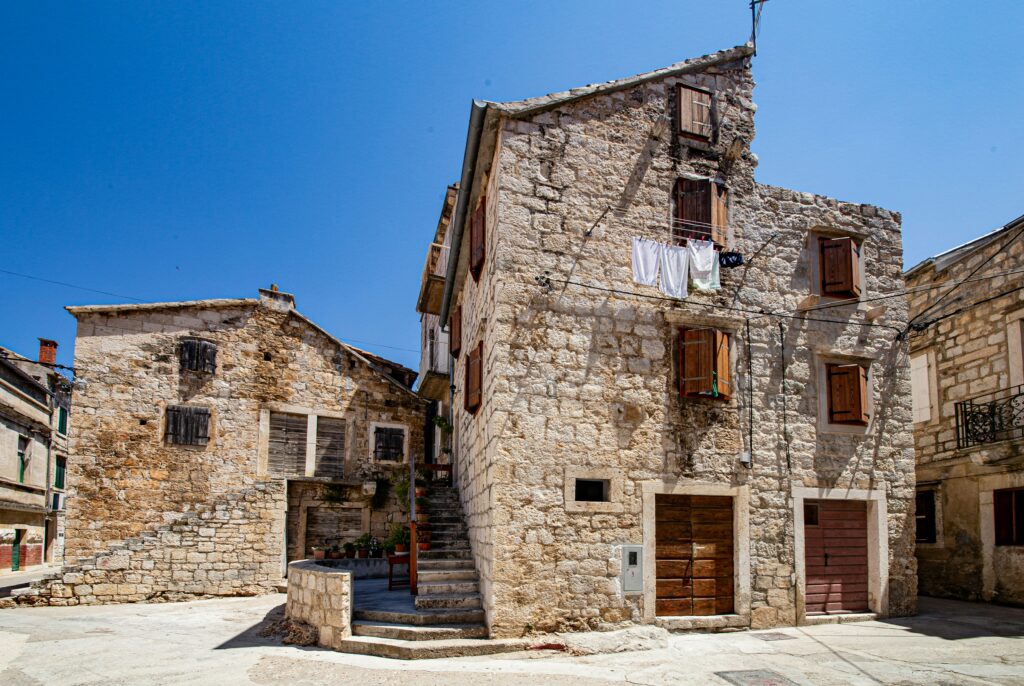
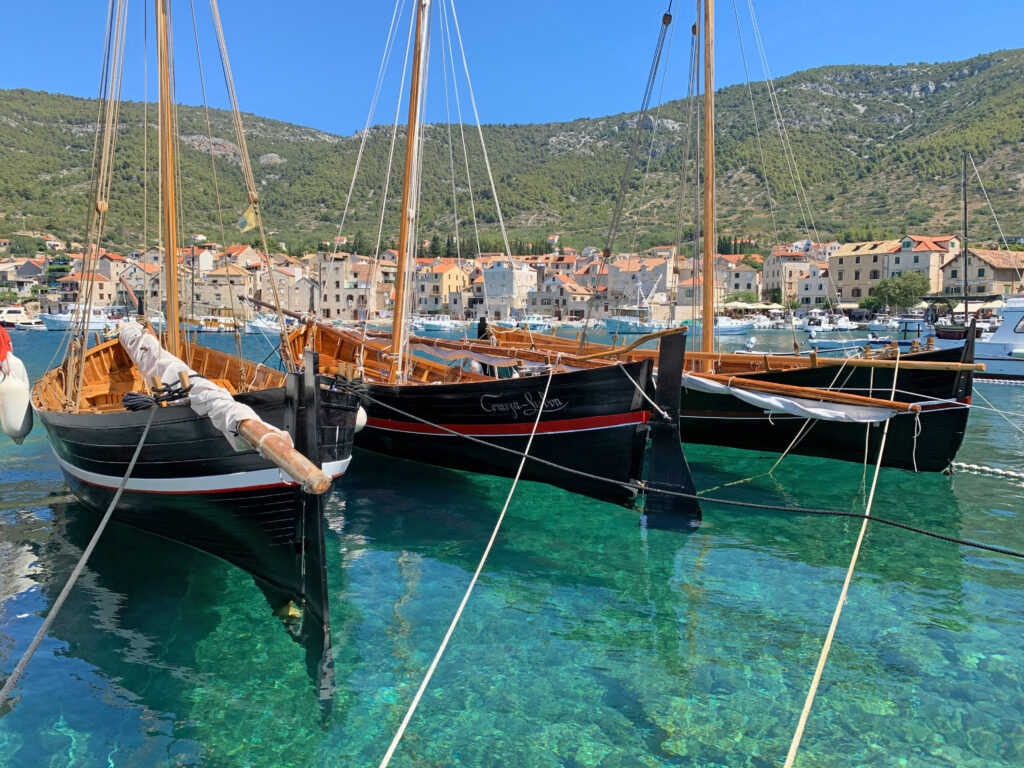
Vis, where the sea is clearest
Vis is a relatively recent addition to the tourist map: for decades a strategic military base, it remained closed to foreign visitors until the early 1990s. That very isolation helped preserve its authenticity, making it one of the most sought-after destinations in Dalmatia today. The traces of the past are still clearly visible: tunnels, bunkers, and underground passages crisscross the island and lead up to the Fortress of St. George, which overlooks the harbor and speaks to the island’s rich maritime and strategic history. The true protagonist, however, remains the sea — considered among the clearest and most transparent in the entire Adriatic, thanks to the island’s distance from the mainland and its long history free of large tourist developments. An essential, unhurried island, best explored at your own pace.
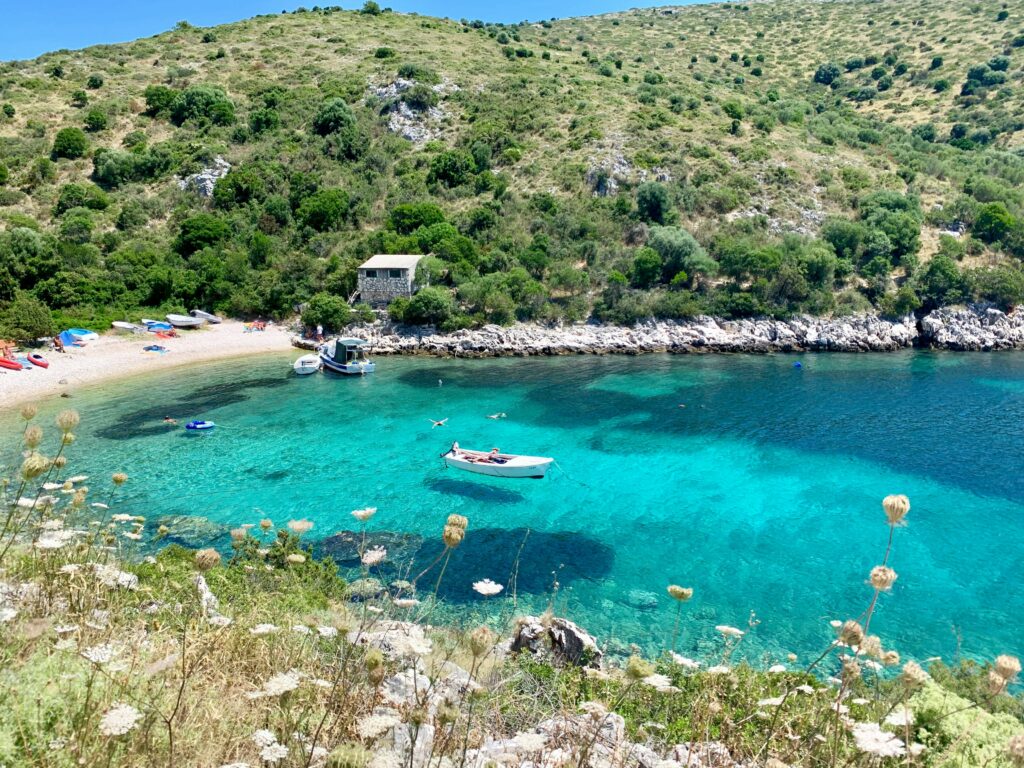
Dugi Otok, the Long Island
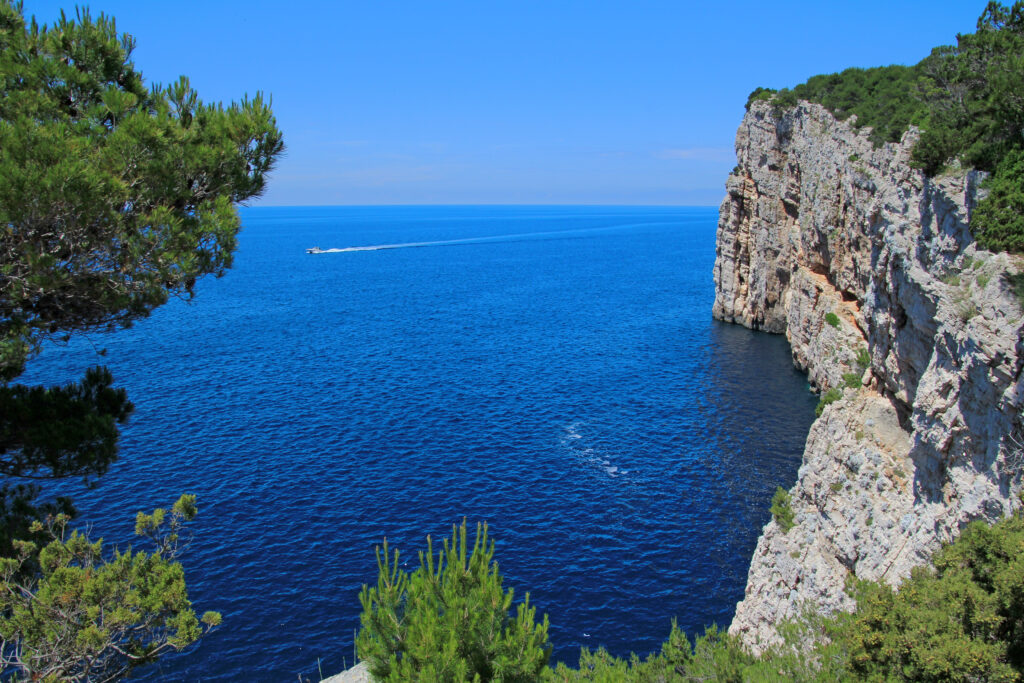
Dugi Otok is the largest island in northern Dalmatia, and it immediately strikes you with the sharp contrast between its two coastlines: the western side, with dramatic cliffs facing the open sea, and the more populated eastern side, with sheltered bays and sandy beaches — including the famous Sakarun. The naturalistic heart of the island is Telašćica Nature Park, a protected area that brings together towering cliffs, a deep inlet, and a saltwater lake surrounded by Mediterranean scrub. Dugi Otok also borders Kornati National Park, an archipelago of some 140 islands stretching southeast that forms one of the most spectacular seascapes in the entire Adriatic.
Visiting Croatia’s islands by bike
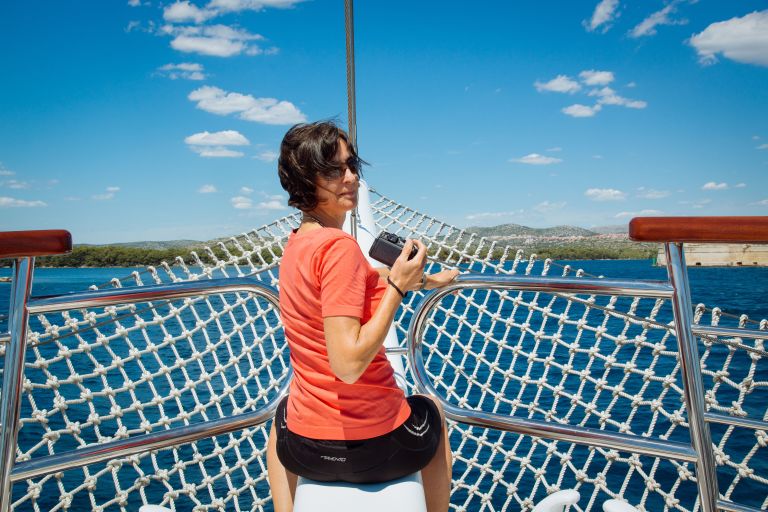
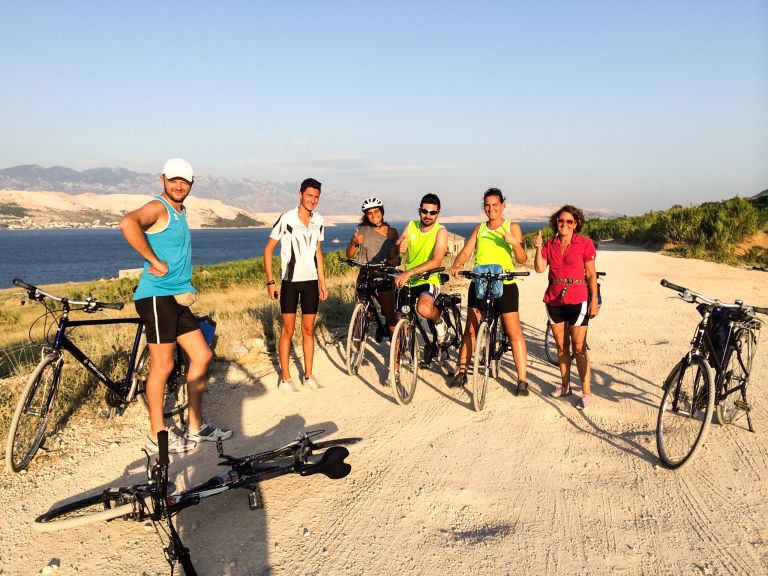
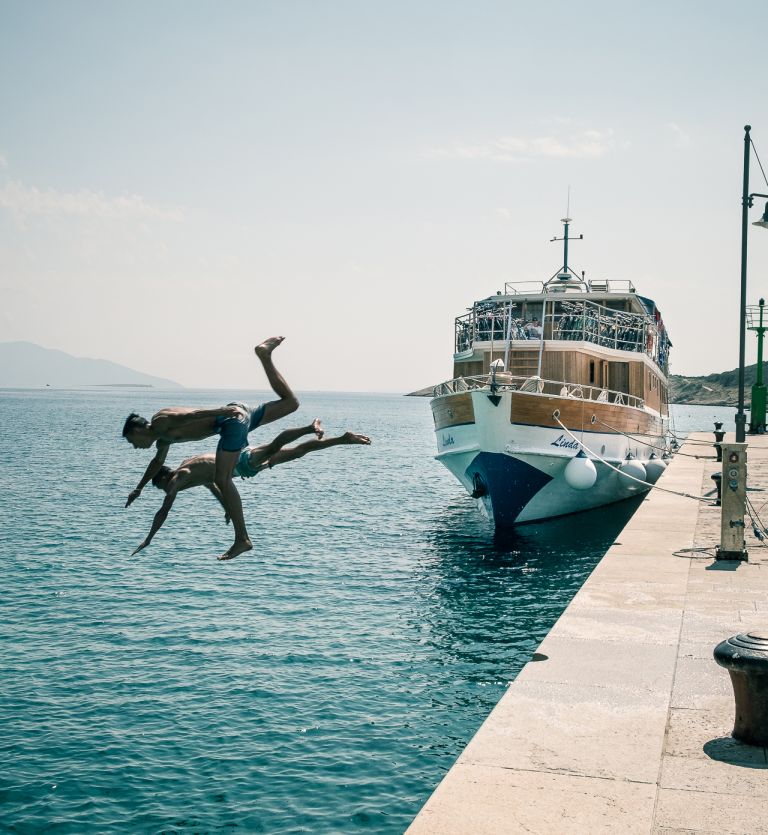
Croatia is one of the ideal destinations to explore by bike and barge: sailing from port to port, exploring each stop by bike. Check out our Croatia bike and barge tours, combining cycling days with overnight stays on a floating hotel that follows you stage by stage. The cabin is yours for the entire week, with breakfasts and dinners served on board and a captain and crew always at your side. The rest is pure discovery: Kvarner, Dalmatia, Zadar, Dubrovnik, ancient Trogir, the Kornati Islands, Krka National Park… and plenty of swimming in the blue sea to close out each day.
Explore all our bike and barge tours in Croatia, find your perfect match, and book directly online. From the lands of Venice to Croatia Cycling self-guided girolibero.com Dalmatia and Kornati Islands Bike and Barge guided girolibero.com Kvarner Bay Bike and Barge self-guided or guided girolibero.com Dalmatian Islands for families Bike and Barge guided girolibero.com Dalmatian Islands Bike and Barge guided girolibero.com Southern Dalmatia Bike and Barge guided girolibero.com Kvarner Bay, summer edition Bike and Barge guided girolibero.com7 Travel tips